

Davao Digital Influencers, Inc. (DDI) in partnership with the Department of Tourism (DOT) Region XI has recently launched its first Davao Coffee Crawl in support of the upcoming Philippine Coffee Expo to be held on September 14-15, 2022 at SMX Convention Center in Davao City.
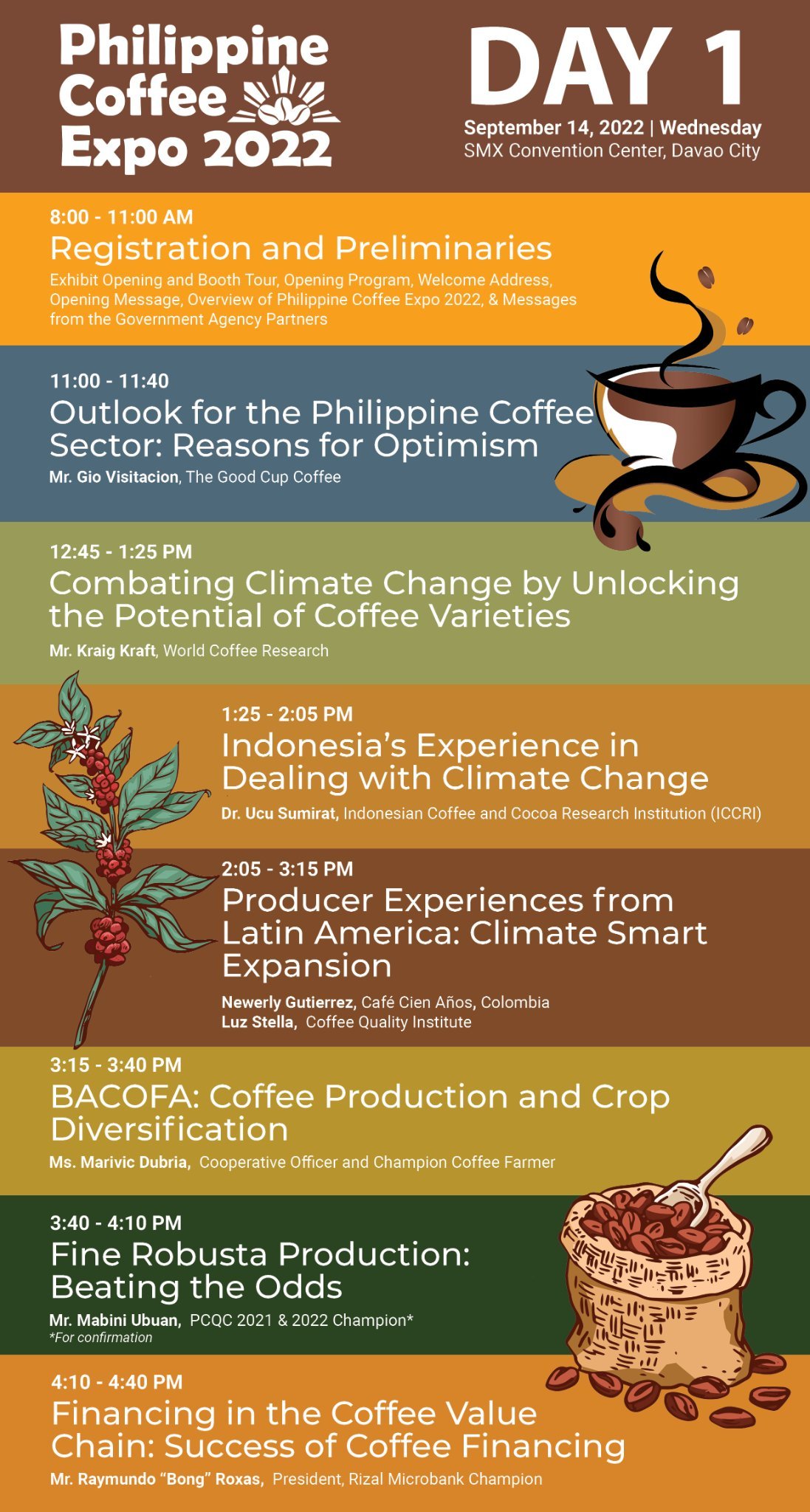

The project aims to promote Davao Coffee as well as to showcase the journey of coffee from the farm to some of the best coffee shops in Davao City.
To learn more about Davao Coffee, we first visited two farm organiztions in Davao de Sur, one in Brgy. Tibolo, Santa Cruz which produces robusta coffee, and the other one in Sitio Balutakay, Bansalan popular for its award-winning arabica coffee.
Coffee Farming
Coffee farming requires technical knowledge, strategic planning, and a lot of patience. This is why our coffee farmers need the support of our government agencies to help them learn more about farming techniques and best practices to increase their production.
We visited two associations in Davao del Sur and thankfully they are supported by the Department of Agriculture (DA) and the Department of Trade and Industry (DTI). Some Non-Government Organizations (NGOs) are also supporting the farmers to boost their knowledge about coffee farming.
TIFWA (Tibolo Farm Workers Association)
The Tibolo Farm Workers Association (TIFWA) in Tibolo, Sta. Cruz, Davao del Sur has over 100 members that belong to the ATA Manobo Tagabawa Tribe. They are currently producing robusta beans but are also starting to plant arabica beans in high-elevation areas of their community.
BACOFA (Balutakay Coffee Farmers Association)
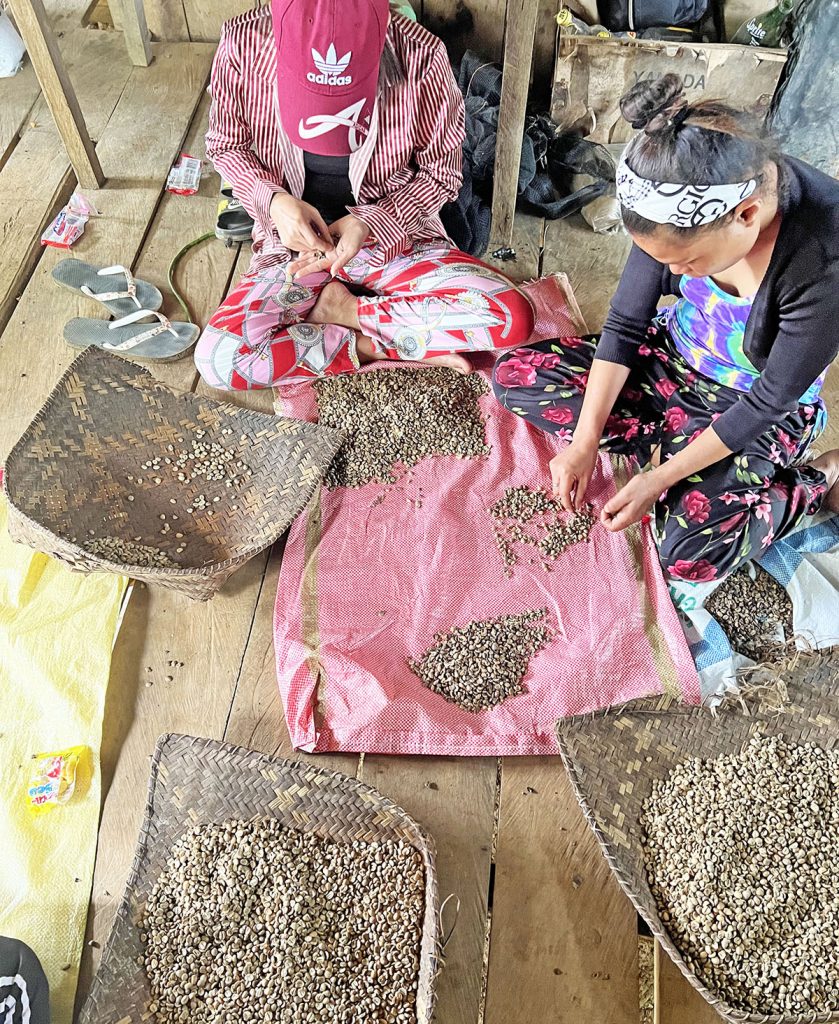
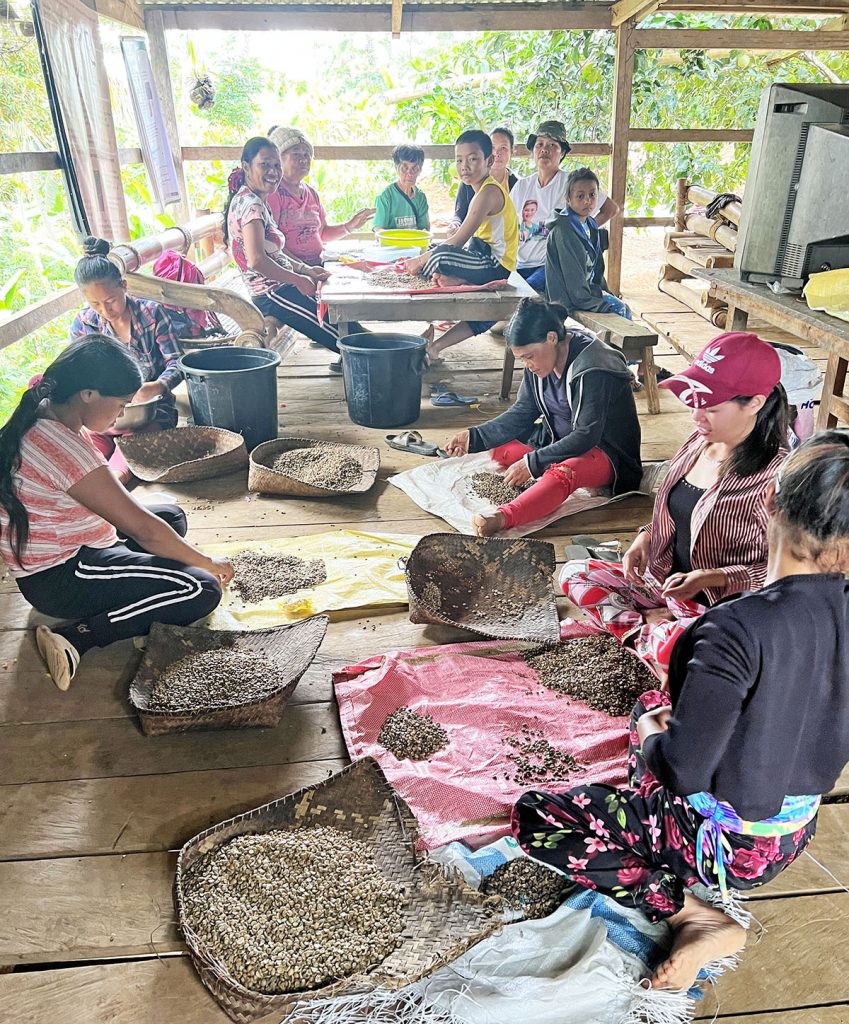
Situated in the high-elevation mountains of Davao Del Sur, Sitio Balutakay in the town of Bansalan is home to the small coffee farmers who joined forces to form the Balutakay Coffee Farmers Association (BACOFA).
With an elevation of 1,200 meters above sea level, it has become an ideal place to grow arabica coffee. The coffee beans produced by BACOFA have been gaining popularity because of their prominent flavor and aroma.
Harvesting
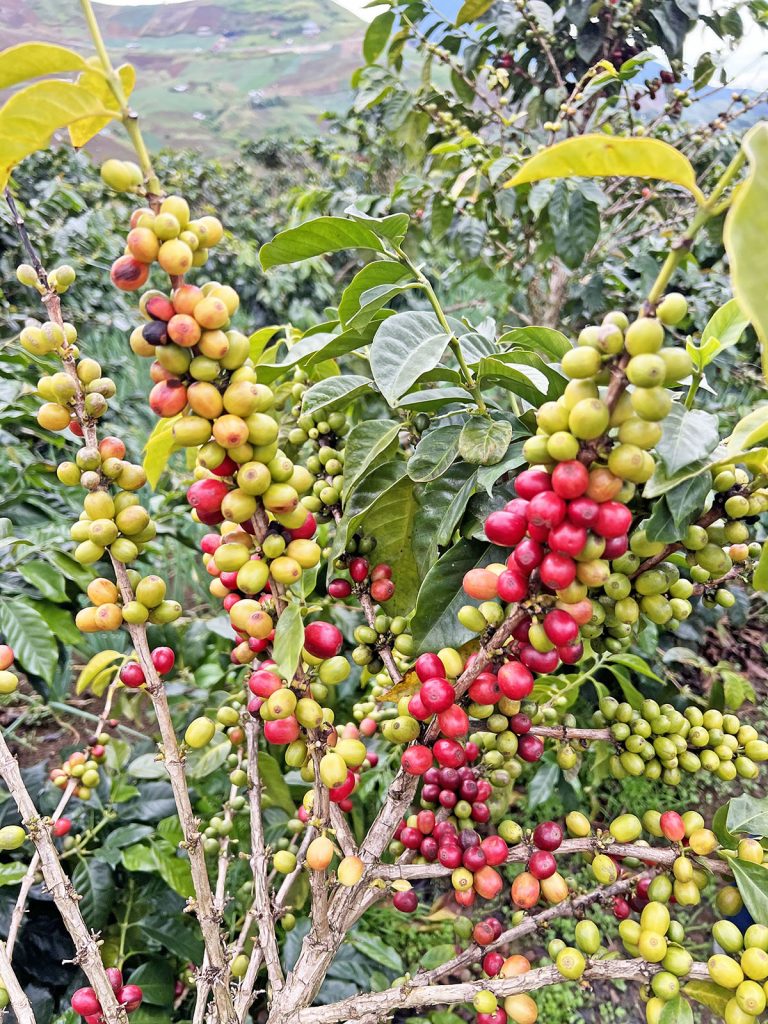
When a coffee tree reaches maturity, which can take from 3 to 7 years, it begins to bear fruit in clusters along its branches. It’s referred to as cherries which are initially green and turns to red when they’re ready for harvesting.
Traditionally coffee is harvested by hand in one of two ways: strip picking or selective picking (pick red). The former is typically done in robusta coffee while the latter is for arabica coffee.
Coffee cherries don’t ripen at the same time so in selective picking, farmers have to make numerous passes over coffee trees and only the ripe cherries. They will have to return several times over a few weeks to pick the remaining cherries as they ripen.

Coffee Processing
There are four different ways to process coffee, all of which affect the flavor and aroma of coffee when consumed. These methods are called natural process, washed process, wet-hulled, and honey processed.
Natural Process
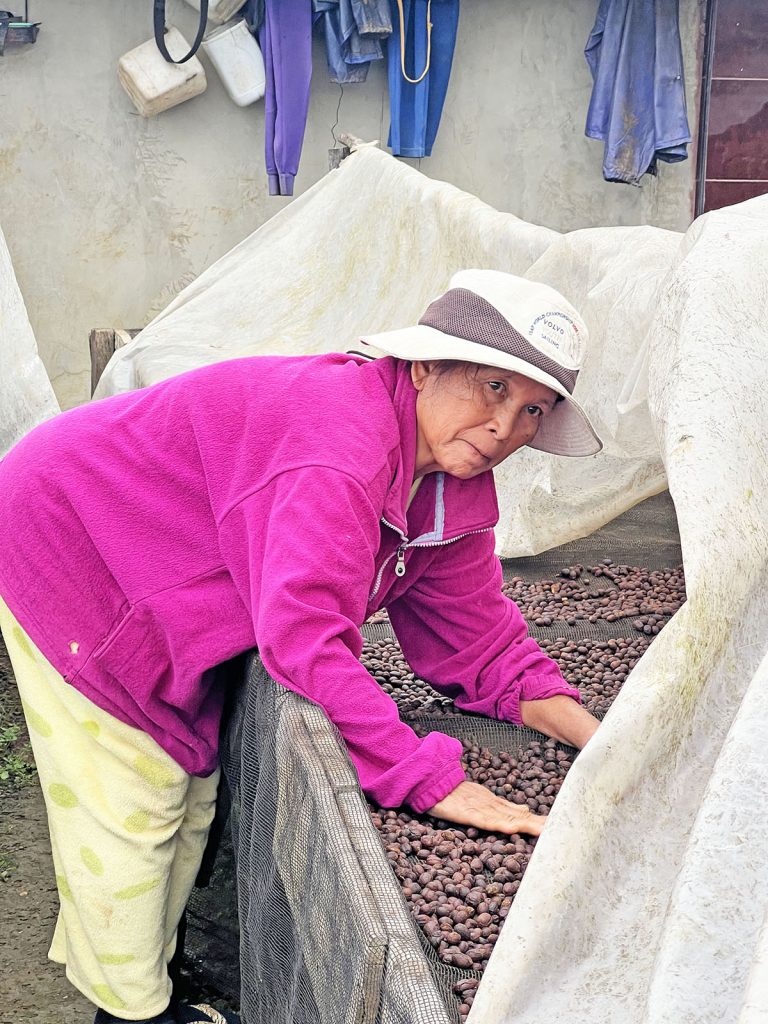
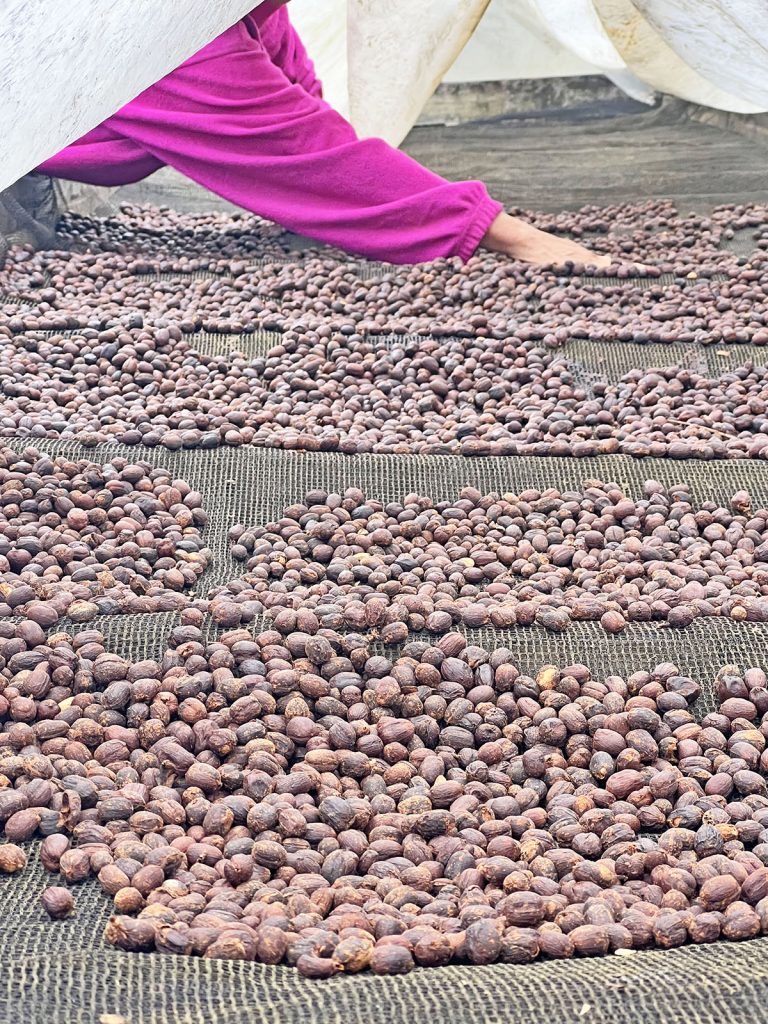
The natural process also known as dry process is the most common way of processing coffee. It involves drying out freshly picked coffee cherries with the pulp. Farmers place the coffee cherries on drying beds and let them sun dry for about 3-6 weeks.
Natural-processed coffees usually result in full-bodied cups of coffee, with deeper and more complex tasting notes.

Washed Process
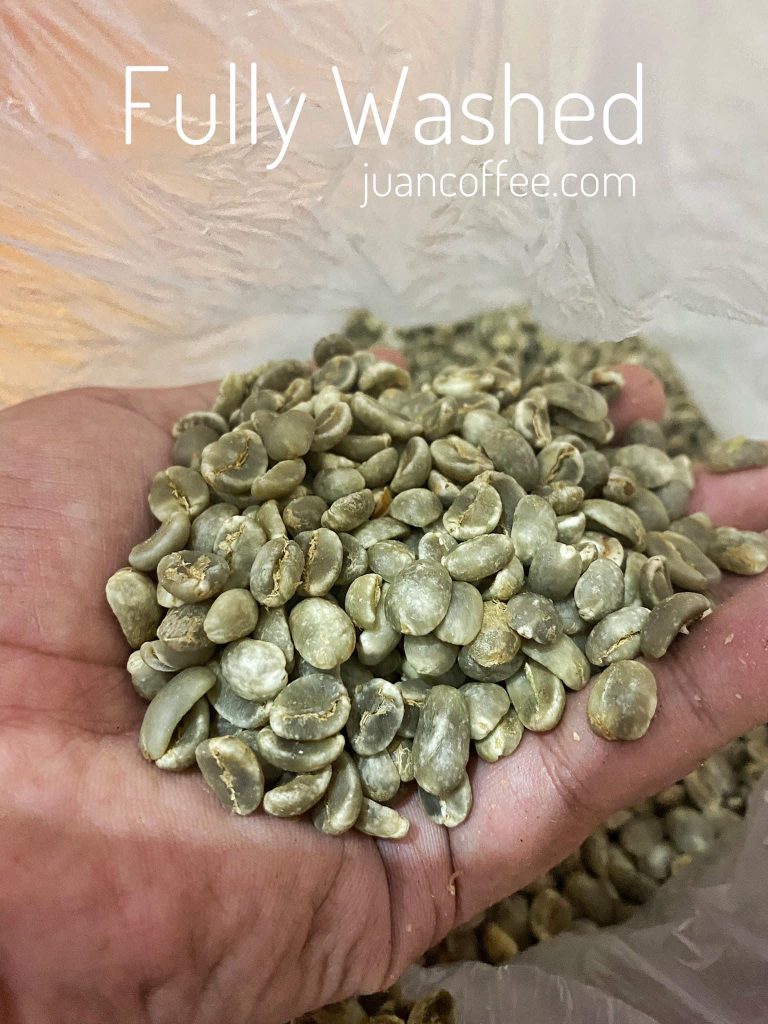
Washed process or wet process involves depulpers that remove the skin/pulp from the seeds before drying. After the skin is removed from the seeds, they are submerged in water tanks and washed away the remaining mucilage. The seeds go on drying beds to dry.
Washed processed coffees have a cleaner taste and typically have a lighter body than natural processed coffee.
Wet Hulled (Semi-Washed)
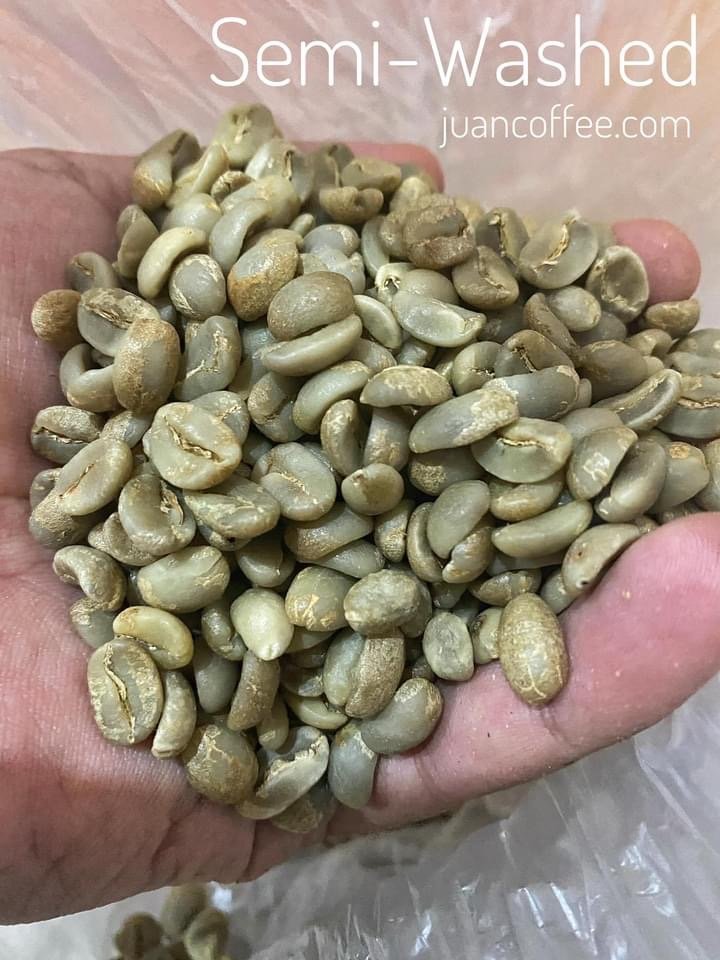
Wet hulled or sometimes called a semi-washed process also involves depulping machines to remove the seeds from the cherries. The seeds are then stored in plastic tanks with the mucilage until it creates a thick husk that encapsulates the seeds. It then goes to another process called hulling to remove the husks and dry flakes then lay out to dry.
Wet-hulled coffees are also heavy-bodied like the natural processed coffee with a cleaner taste.
Honey Process
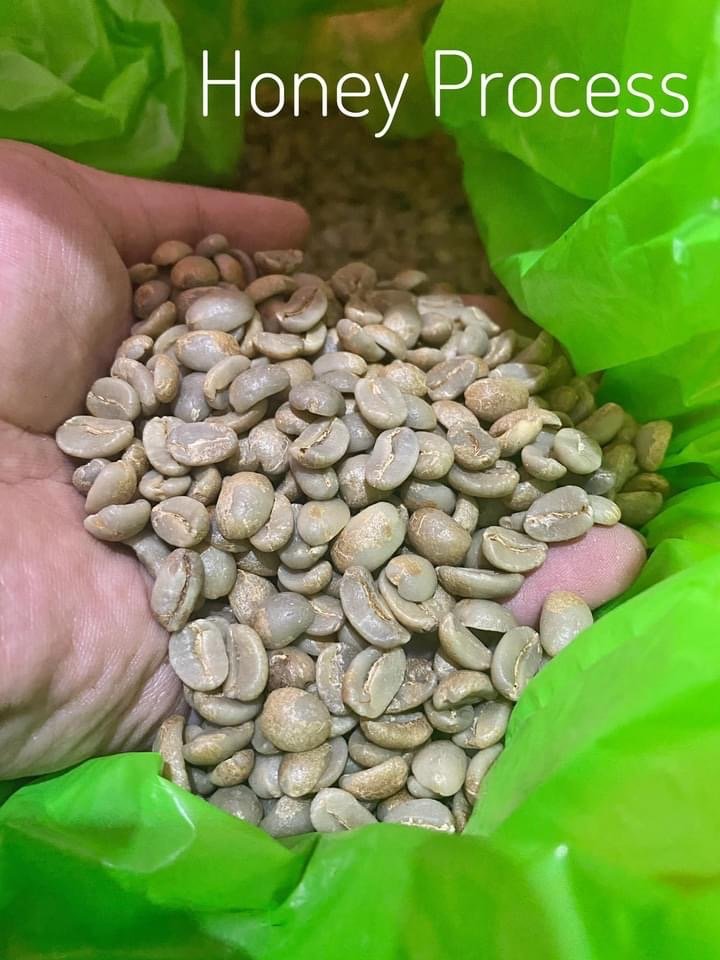
The honey process is a combination of both the natural and washed process. The process involves a de-pulping machine but instead of washing the seeds after they are separated from the skin, they are laid out to dry with the mucilage.
Honey processed coffees usually have a complex taste and a cleaner and lighter body compared to natural processed coffee. It has a sweeter taste with mellow acidity compared to washed processed coffee.
Roasting
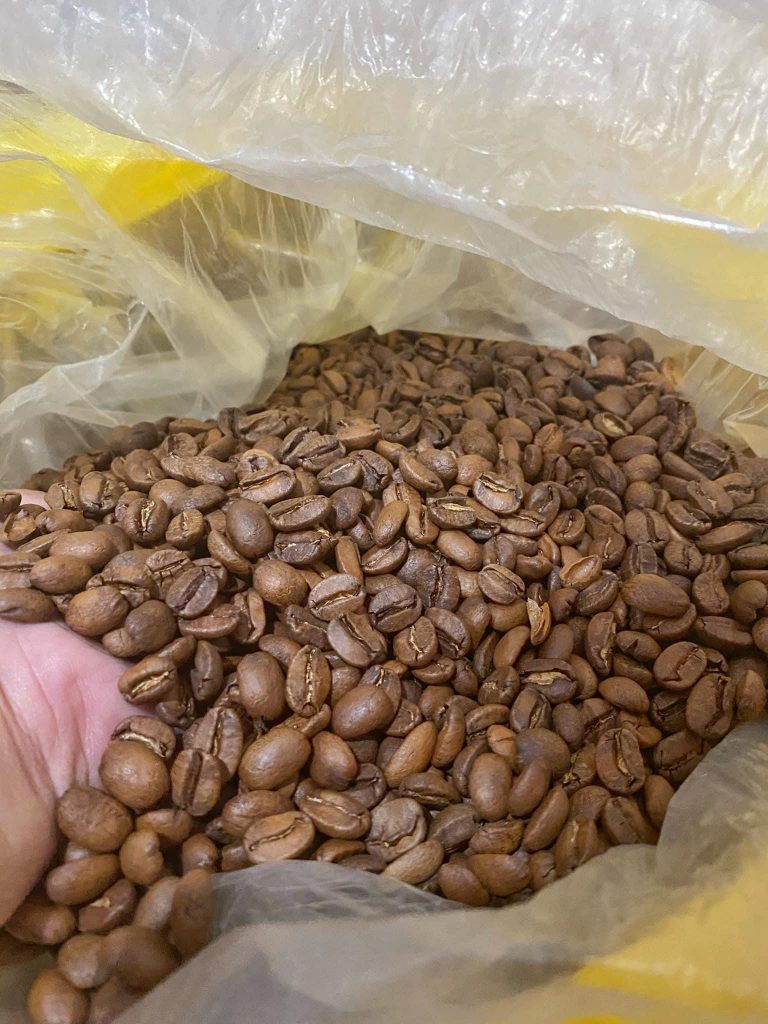
Roasting is a process that turns dried coffee beans into the fragrant, dark brown beans we know and love. Coffee beans are roasted in different levels: light, medium, medium-dark and dark depending on the origins of the beans and the brewing method use when preparing the coffee for consumption. The Davao Arabica coffee beans from BACOFA are usually roasted light to medium for pour-over brewing method and dark roast for espresso usually blended with other beans.
Brewing
There are different methods ion brewing coffee. You can use an espresso machine, a coffeemaker, an aeropress, a French press, or a V-60 dripper. Tastes usually vary depending on the brewing method. It is important to grind your coffee beans in the right size to achieve the best results.

The award-winning Davao Coffee from BACOFA is best served on a pour-over method so you’ll be able to taste its fruity flavor.
Where to taste the award-winning Davao Coffee in Davao City?
We visited some of the best homegrown coffee shops in Davao that are serving Davao coffee. All of them have pour-over Davao coffee that you can try to appreciate its taste. If you are not into black coffee, they also serve latte, flat white, and other coffee beverages. You can check this list or click the image below.


Glen Nomad is a travel blogger and the founder of Escape Manila, one of the top travel blogs in the Philippines. He has visited all 82 provinces in the Philippines and has explored 53 countries across Asia, North & South America, East Africa, Europe, and Australia. Follow him on IG at @escapemanila